



About Canthoplasty
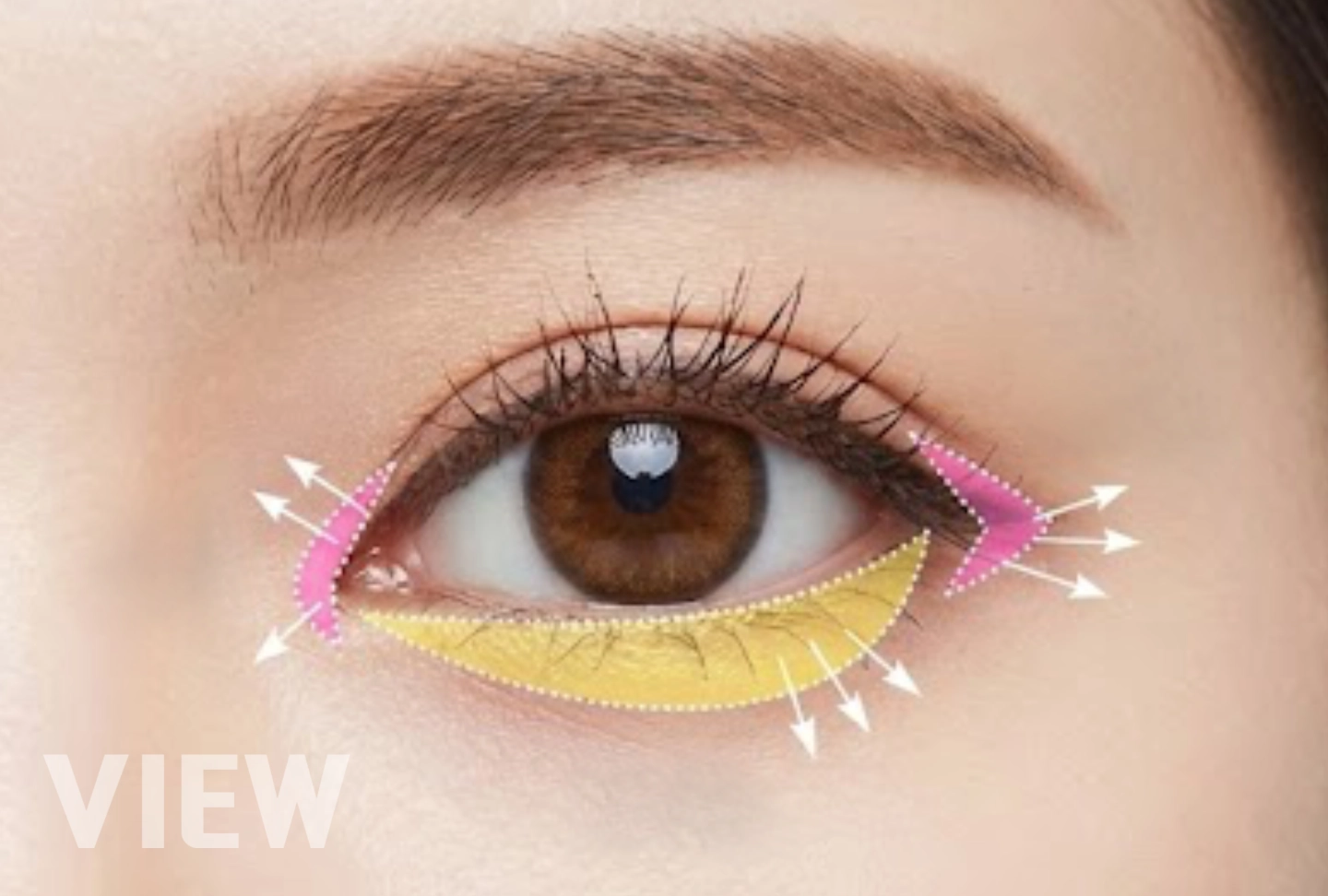
Canthoplasty is not simply a procedure to “make the eyes bigger.” It is a precise, structural eye-design surgery that reshapes the eye framework to improve eye exposure, proportion, direction, symmetry, and overall facial balance. Unlike procedures that focus only on eyelid folds, canthoplasty directly addresses the inner, outer, and lower corners of the eyes, allowing surgeons to customize eye shape based on each patient’s unique anatomy and facial proportions.
Epicanthoplasty
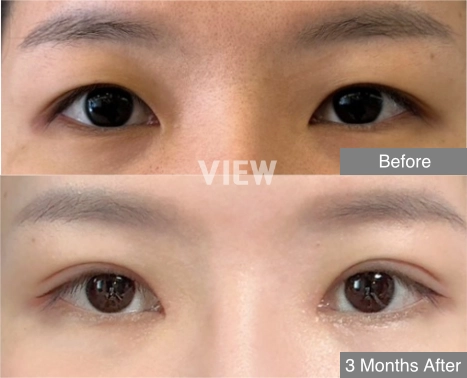
Epicanthoplasty removes or releases the epicanthal (Mongolian) fold at the inner corners of the eyes, creating a refreshed and less constricted appearance.
Effects
- Reveals hidden inner corners for a clearer look
- Improves inner eye openness and crease definition
- Enhances harmony with Semi-Out and Out-line designs
When Is It Recommended?
- When a prominent epicanthal fold makes the eyes appear narrow or closed
- When the eyelid crease is buried at the inner corner
- When limited inner iris exposure makes the eyes look short or round
Important Considerations
- Over-release may cause an unnaturally elongated inner eye shape; controlled release is essential
- Scar visibility depends on technique and surgeon expertise (Z-plasty, M-plasty, etc.)
How This Procedure Changes Eye Shape
Lateral Canthoplasty
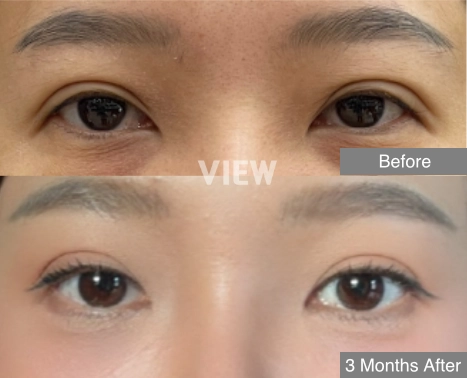
Lateral Canthoplasty extends the outer corners of the eyes, increasing horizontal eye width and creating a larger, more open appearance. Lateral canthoplasty is not simply about enlarging the eyes. When performed incorrectly, it can lead to downward slanting or an unnatural eye shape. For this reason, precise assessment of eye anatomy and surgical vector is essential.
Effects
- Expands horizontal eye length
- Softens sharp or excessively upturned outer corners
- Improves overall eye balance when lateral constriction is present
When Is It Recommended?
- When the eyes appear short or narrow horizontally
- When upturned outer corners create a harsh or cold impression
- When additional horizontal widening is needed
Important Considerations
- The outer canthus is prone to re-adhesion; secure fixation and appropriate release depth are critical
- Excessive downward repositioning may cause scleral show and requires careful assessment
How This Procedure Changes Eye Shape
Lateral canthoplasty primarily increases the horizontal length of the eyes by repositioning the outer corner. This creates a more open and balanced eye shape without exaggerating vertical height. When performed with proper canthal support, the eyes appear wider and more defined while maintaining a natural outer eye angle.
This procedure is particularly effective for patients with short eye width or tightly set outer corners, as it enhances lateral eye exposure and improves overall facial harmony. Precise fixation of the lateral canthal tendon is essential to prevent downward slanting and ensure long-term stability.
Lower Canthoplasty
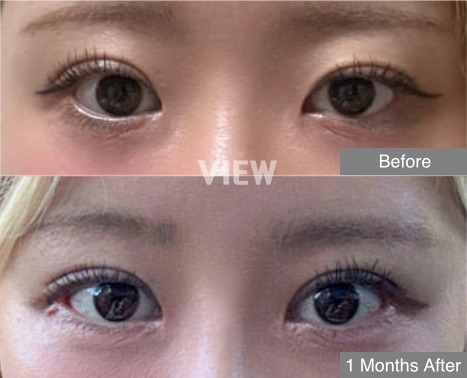
Lower Canthoplasty lowers the outer corner below pupil level, increasing vertical exposure and creating a softer, more gentle impression.
Effects
- Increases lower iris visibility
- Produces a rounder, softer eye appearance
- Reduces a harsh or overly lifted look
When Is It Recommended?
- When upward-tilted outer corners create a stern appearance
- When vertical eye openness is insufficient
- When the eye shape lacks softness or curvature
Important Considerations
- Over-lowering can cause excessive scleral show
- Precise evaluation of lower eyelid length and support is essential
How This Procedure Changes Eye Shape
Which Canthoplasty Is Right for You?
Below are typical selection guidelines by eye structure. In many cases, one procedure alone is not enough, so combination planning matters.
Myths vs. Facts About Canthoplasty
✓ Myth: More opening always makes the eyes bigger.
Fact: Canthoplasty changes exposure direction, not size.
✓ Myth: Epicanthoplasty always looks unnatural.
Fact: Controlled release techniques allow subtle, natural results.
✓ Myth: Lateral canthoplasty always re-attaches.
Fact: Re-adhesion is technique-dependent and can be minimized with proper fixation.
✓ Myth: Lower canthoplasty inevitably causes scleral show.
Fact: Only overcorrection causes this; proper planning preserves balance.
FAQ
Will combining epicanthoplasty and lateral canthoplasty look excessive?
Does canthoplasty make the double eyelid crease more visible?
Yes. Epicanthoplasty in particular improves crease clarity and works well with Semi-Out and Out-line designs.
Why does lateral canthoplasty sometimes lack durability?
Can my eyes appear larger without canthoplasty?
In what order should epicanthoplasty, lateral, and lower canthoplasty be performed?
Travel & Recovery Schedule for Overseas Patients
Overseas patients are generally advised to stay at least 7 days in Korea.
This allows
- Swelling to subside
- Stitches removal (Day 5–7)
- Initial recovery assessment
Minimum Stay
7 days is ideal for complete early recovery.
- Surgery
- 48-hour cold compression
- Post-op check
- Stitch removal
- Initial swelling reduction
Leaving earlier than this is not recommended.
Pre-Surgery Precautions
- Stop contact lens use
- No alcohol or smoking 48 hours prior
- Stop blood-thinning supplements
- No heavy eye makeup
- Remove eyelash extensions before surgery
Post-Surgery Care
0–48 Hours
- Cold compress
- Sleep with head elevated
- No rubbing
- No water contact
Day 2–7
- Light cleansing allowed
- Avoid soaking eyes
- No makeup until stitch removal
- Natural reduction of swelling & bruising
Stitch Removal
- Mild swelling/bruising is normal
- Temporary swelling may increase during flight
- Warm compress before flight
- Hydration is essential
Return Flight Timing
Most patients return home after Day 7.
- Mild swelling and bruising are normal.
- Temporary swelling may increase during flight.
- Warm compress before flight.
- Hydration is essential.
By 2–4 weeks, the appearance typically looks natural in daily life.